

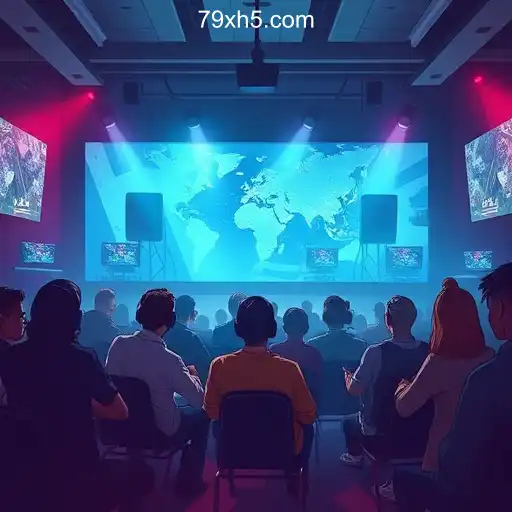
Exploring the Dynamic World of Player Communities
In the expansive landscape of digital gaming, player communities have emerged as a pivotal aspect of the gaming experience. These communities are not just platforms for interaction but have transformed into a culture that enriches the gaming world both online and offline. The essence of these communities lies in fostering relationships and creating ecosystems where players can share experiences, strategies, and more, bringing a sense of belonging and unity among like-minded individuals.
The Role of Communities in Gaming
Player communities have evolved alongside the gaming industry, and their roles have become more pronounced with the rise of social gaming and multiplayer platforms. In today's gaming environment, these communities are crucial for a number of reasons:
1. Social Interaction:
First and foremost, communities provide a social interaction hub. Unlike traditional games where players might have been isolated, modern gaming communities foster communication among players worldwide.
2. Knowledge Sharing:
These platforms act as a medium for knowledge transfer. Be it exchanging strategies, solving in-game problems, or simply showcasing gameplay, communities are treasure troves of information.
3. Ethical Gaming:
Player communities often advocate for fair play and ethics in gaming. By setting norms and calling out unfair practices, communities help maintain integrity in competitive gaming environments.
The Mechanics of Community Building
Building a vibrant player community requires strategic planning and execution. Developers and gamers alike have recognized some key elements that make communities successful:
Creating Engagement:
Engagement is the lifeblood of any community. Initiatives like events, leaderboard challenges, and forums where players can discuss diverse topics are essential to keep the community lively.
Incorporating Feedback:
Successful communities often thrive on the feedback loop where players’ suggestions and complaints are taken seriously, ensuring they feel valued and heard.
Reward Mechanisms:
Incentivizing players through rewards - such as exclusive avatars or in-game currency - for their contribution to the community can boost participation and enthusiasm.
Case Study: 79X ⭐️ A Plataforma de Apostas #1 do Brasil
79X ⭐️ is a shining example of how betting platforms can harness the power of player communities. As the leading betting platform in Brazil, it has grown its user base by focusing heavily on community-driven features.
Localization:
The platform’s success is partly attributed to its focus on localization, ensuring that Brazilians feel at home when engaging with the interface and interacting within forums.
Competitive Tournaments:
With regular tournaments that allow players to showcase their skills, 79X has cultivated an environment that embraces competitive spirit and sportsmanship.
Community Interaction:
Forums and chat rooms dedicated to different sports and bet types have cultivated a strong community spirit that aligns with its broader goals of creating a player-first environment.
Future Prospects of Player Communities
As the digital landscape continues to evolve, so do player communities. Emerging technologies such as virtual reality and artificial intelligence are set to redefine how these communities interact and develop.
Immersive Experiences:
Advancements in VR may soon allow community members to engage in more immersive environments, creating spaces that mimic physical hanging out spots.
Enhanced Personalization:
AI-driven tools could be utilized to personalize community interaction, suggesting groups or friends based on player behavior and interests.
Conclusion: A Cultural Phenomenon
The impact of player communities extends far beyond gaming; they represent a burgeoning cultural shift towards digital collectivism. Platforms like 79X are testimony to how fostering a strong community can bolster not only engagement and user retention but also enrich the overall experience of gaming itself.
In this digital age, as the lines blur between physical and virtual worlds, player communities are set to play an even more significant role in shaping the future of interactive entertainment. Their ability to bring people together across different geographies, backgrounds, and interests serves as a powerful reminder of the unifying potential of gaming.