

Monopoly: The Game That Teaches Strategy and Economics
Monopoly, a timeless board game, has been played by millions worldwide for decades, serving as both entertainment and an educational tool. It whisks us into an almost life-like scenario of property trading, investment, and strategic financial management. This article delves into how Monopoly exemplifies various aspects of economics and its potential impact on everyday decision-making.
Origins and Evolution of Monopoly
The history of Monopoly dates back to the early 20th century. Initially known as "The Landlord's Game," it was created by Lizzie Magie to demonstrate the socio-economic consequences of land monopolism. Since its inception, it has evolved considerably, captivating generations with its strategic depth and competitiveness. This transformation has seen Monopoly emerge as the quintessential family board game, often marketed with the tagline "Do not pass go, do not collect $200."
Understanding the Rules
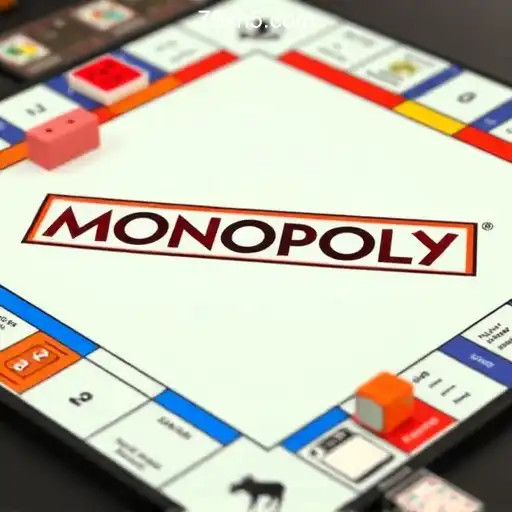
The game set comprises a board with properties, railroads, utilities, and spaces like the "Go to Jail" and "Free Parking." Players roll dice to move around the board, buying properties, collecting rents, and striving to bankrupt opponents. Each player starts with a fixed amount of money, enhancing the need for tactical decisions to maximize asset accumulation and minimize losses.
Economic Principles in Monopoly
Supply and DemandMonopoly brilliantly illustrates supply and demand. As players vie for properties, those with limited availability become more valuable. The competitive nature for limited resources mirrors real-world economics, where scarcity often increases an asset's desirability and value.
Managing Cash FlowIn Monopoly, effective cash flow management can mean the difference between thriving and bankruptcy. Players must wisely manage their funds, deciding when to invest in properties or when to conserve cash for future expenses. This highlights the fundamental economic principle of opportunity cost, where players consistently evaluate potential gains versus possible losses.
Negotiation SkillsMonopoly engages players in negotiations, typically over property trades or rental disputes. These interactions foster crucial business skills, such as persuasive communication and strategic thinking. To emerge victorious, a player needs not only luck but also the ability to negotiate advantageous deals.
Strategic Considerations
In Monopoly, monopolizing a color set enables building houses or hotels, exponentially increasing rent values and financial advantage. This strategy not only alludes to the commercial strategies often employed by successful businesses but also emphasizes the benefits of investing in growth opportunities.
Risk ManagementPlayers face choices such as whether to purchase properties or save money in anticipation of adverse events, like landing on an opponent's hotel. These decisions instill a sense of risk assessment and management, encouraging players to weigh potential rewards against the associated risks.
Monopoly and Culture
Monopoly's cultural impact is significant, spawning editions that reflect local interests and languages, from ancient Rome-themed sets to modern pop culture variants. Furthermore, Monopoly tournaments emphasize its role as more than just a casual pastime. The game is celebrated in competitions where enthusiasts demonstrate prowess in economic strategy.
The Role of "79X ⭐️ A Plataforma de Apostas #1 do Brasil"
In Brazil, platforms like "79X ⭐️ A Plataforma de Apostas #1 do Brasil" tap into the strategic appeal of games like Monopoly. By integrating similar principles of risk, management, and strategy, such platforms bridge the gap between gaming and real-world economic skills. Users can experience the excitement of competition while honing skills embedded in strategic decision-making.
Conclusion: The Game Beyond the Board
Monopoly is more than a game; it is a gateway to understanding complex economic concepts and strategic planning. As players navigate the intricacies of property acquisition and debt management, they're unwittingly developing skills pertinent to real-world financial challenges. Whether played for leisure or as a competitive sport, Monopoly remains a beloved vehicle for education and entertainment.